China's Smartphone Shipments Fall 15.4% in a Sixth Straight Quarter

China's smartphone shipments fell 15.4% in the third quarter from a year earlier to 57.9 million units, according to the research firm IDC. It was the sixth consecutive quarterly decline, and a far steeper one than the roughly 4% fall recorded in the first half of the year. Two forces sit behind the number, with weak consumer spending in China on one side and the rising cost of components on the other.
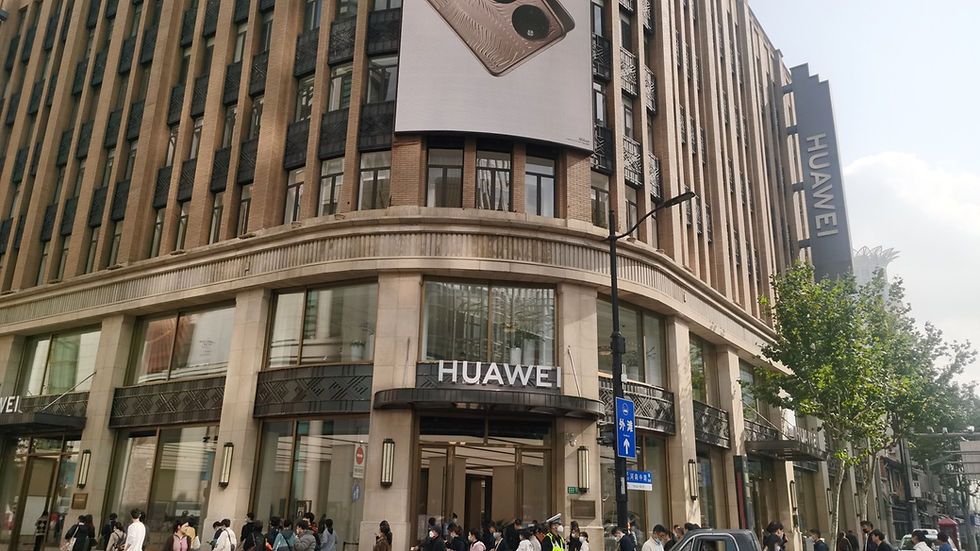
Huawei was the only major vendor to post double digit growth in the third quarter. It shipped 12.2 million units and led the market with 21% of shipments. Apple held second place on 17.8%, even as its shipments in China fell 4.3%.
But the decline ran through the rest of the field, and it ran deep. Oppo's shipments fell 17.6%, Vivo's 24.9%, and Xiaomi's 20.4%, each measured against the same quarter a year earlier. IDC has published share figures for the top two vendors only, so the three Chinese brands are measured by the size of their fall rather than by their position.
Component costs sit behind much of the squeeze. Prices for memory chips and other parts have climbed over the past several quarters, and phone makers have responded by raising retail prices. Memory has been the single largest driver of that pressure, and Arthur Guo, a senior analyst at IDC, said vendors are pushing prices up even as the number of phones they sell falls.
The higher prices are changing how long buyers hold on to a handset. IDC says the run up in memory and component costs triggered both price increases and adjustments to product ranges, which have dampened demand clearly, and that consumers need time to adjust to the new price levels. The effect is a longer replacement cycle, so each phone that is sold stays in use for longer.
And the gap between Huawei and the rest has a cause IDC names directly. A broad product line and relatively modest price increases helped Huawei extend momentum it has built since the start of the year. Apple's newest iPhones sold better than expected, but a smaller number of models released this year weighed on the company's total.
Honor moved against the trend. It was the only leading brand whose shipments grew from the previous quarter, which IDC read as a possible rebound. The gain leaves it as the exception among the five largest vendors, four of which contracted.
What the figures do not show is how much stock is sitting unsold in shops. IDC's numbers count phones shipped into the sales channel, and the firm has given no separate figure for devices that reached consumers in the quarter. That gap matters when shipments fall this quickly, because a falling number describes what vendors and retailers bought rather than what shoppers took home.
So the direction is clear even if the floor is not. Huawei leads the market, Apple holds second, and the remaining major vendors are absorbing weaker demand and higher costs at once. Whether the decline eases turns on memory prices and on whether buyers accept the higher price levels that component costs have forced.
China's smartphone shipments fell 15.4% in the third quarter to 57.9 million units, a sixth straight quarterly decline
Huawei was the only major vendor to grow at a double digit rate, with 12.2 million units shipped and 21% of the market
Apple held second place on 17.8% even as its China shipments fell 4.3%, while Oppo, Vivo, and Xiaomi all declined
IDC said memory and component costs are behind the higher retail prices, and the declines are stretching out replacement cycles
Source: Reuters